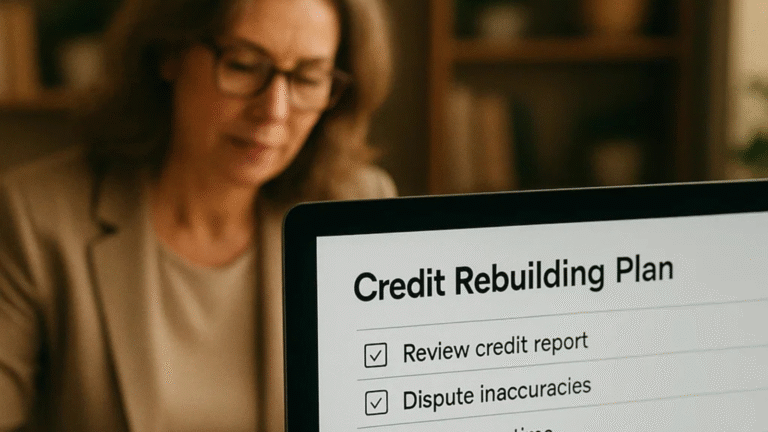
Credit Rebuilding Isn’t Repair
Credit Rebuilding Isn’t Repair
Why “Fixing” Falls Short and What Actually Works
Credit repair promises are everywhere.
Remove this. Dispute that. Freeze something. Wait 30 days.
And yet… people still feel stuck.
Here’s the truth from the lending side:
You don’t repair credit. You rebuild it.
Repair focuses on appearances.
Rebuilding focuses on risk.
Lenders don’t approve reports that look clean.
They approve files that demonstrate stability, responsibility, and change over time.
That’s the difference.
Why Credit Repair Falls Short
Credit repair services often promise fast results by challenging negative information. But most of those tactics fail to address what lenders actually evaluate.
From an approval standpoint, credit repair has three core problems:
It’s cosmetic, not behavioral
Removing an item doesn’t explain why it happened or whether it will happen again.
It’s temporary
Accurate negatives often return. Unresolved issues remain unresolved.
It doesn’t build trust
Deleting damage without adding positive structure leaves a thin, risky file.
A credit profile without rebuilding signals tells lenders one thing:
This file hasn’t stabilized yet.
What Credit Rebuilding Actually Means
Credit rebuilding is not a hack.
It’s a structured process that proves risk has changed.
Rebuilding focuses on:
- Consistent, on-time payments
Not perfection. Consistency. - Utilization control
Balances trending down, not staying maxed out. - Resolution of past damage
Not avoidance. Resolution and aging. - Intentional account use
Accounts that serve a purpose, not activity for activity’s sake.
Rebuilding isn’t about erasing the past.
It’s about changing the present so the past loses power.
Why Rebuilding Works (From a Lender’s View)
Credit scores are not a moral judgment.
They’re a risk model.
Rebuilding directly improves the factors lenders weigh most:
- Payment history: Are problems recent or resolved?
- Utilization: Are balances manageable or escalating?
- Behavior after hardship: Did things stabilize or repeat?
- Depth of history: Is this real borrower behavior or thin activity?
Repair tactics can’t create those signals.
Rebuilding does.
The Quick-Fix Myth (And Why It Backfires)
Common advice sounds appealing but stalls progress:
- “Dispute everything.”
- “Freeze reports.”
- “Remove inquiries.”
- “Wait it out.”
These tactics don’t rebuild trust.
They delay it.
When lenders see avoidance instead of resolution, risk increases even if the score temporarily rises.
That’s why people feel like they’re “doing everything right” but still getting denied.
Where to Start Rebuilding the Right Way
If you’re rebuilding, focus on what moves both score and approval odds:
- Bring revolving balances below 30% (below 10% is stronger)
- Resolve collections strategically instead of ignoring them
- Make payments before statements close, not just by the due date
- Stop applying until structure improves
- Build real history not just authorized user padding
Rebuilding is slower than repair promises.
But it actually works.
The Bottom Line
Credit rebuilding isn’t exciting.
It’s not flashy.
And it doesn’t sell well to people chasing shortcuts.
But it’s how approvals happen.
You rebuild credit by proving:
- Responsibility
- Stability
- Changed behavior
- Time in the right direction
That’s what lenders trust.
Want a Rebuild Plan That Actually Moves the Needle?
If you’re done chasing credit repair tactics and want a structure lenders respect, the Smart Payment Plan + Accelerator Workbook shows you:
- Which balances matter first
- How payment timing affects utilization and risk
- How to rebuild momentum without guessing
No tricks.
No disputes-for-deletions.
Just lender-logic rebuilding that holds up under review.