Do You Know What Lenders Look For?
Do You Know What Underwriters Actually Look For?
Most people apply for credit hoping their score is “good enough.”
From the underwriter’s side, that’s not how decisions are made.
Lenders approve applications when they feel confident the borrower can repay without strain.
That confidence is built from a few specific signals underwriters evaluate every time.
The Credit Score Is a Signal, Not the Decision
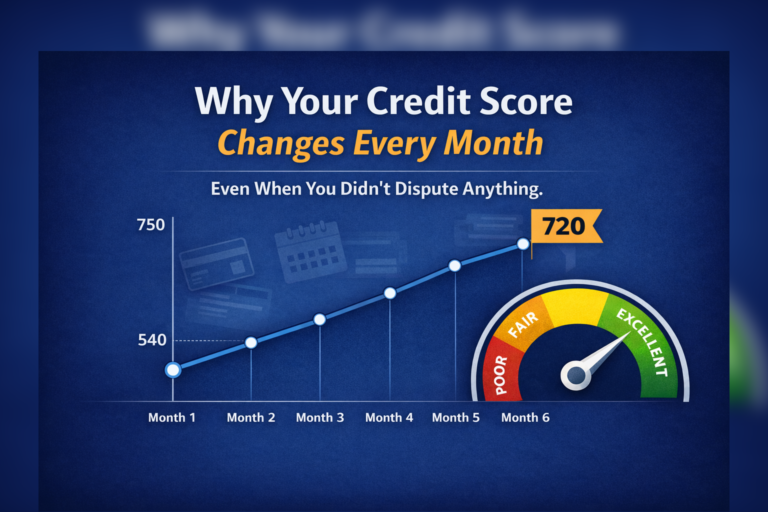
A credit score is the first thing underwriters see, but it’s not the final answer.
It’s a shortcut, a summary that reflects risk based on reported behavior.
The score tells a lender whether the file deserves a closer look.
The details decide what happens next.
That’s why two borrowers with similar scores can get very different outcomes.
Credit History Shows the Story Behind the Score
Credit history answers questions the score can’t.
Have payments stabilized after a disruption?
Did balances come down or stay elevated?
Did negative events repeat or stop?
A lender isn’t looking for perfection.
They’re looking for evidence that whatever caused the damage is no longer happening.
Consistency matters more than appearances.
Debt-to-Income Ratio Shows Capacity
Debt-to-income ratio tells underwriters how much of your income is already committed.
You can have a decent score and still be denied if too much income is tied up in debt.
From a lending perspective, high DTI doesn’t mean irresponsibility.
It means there may not be enough room for another obligation.
This is one of the most common reasons borrowers with “okay credit” are still declined.
Utilization Shows Financial Pressure in Real Time
Credit card balances tell underwriters how hard your credit is working.
Accounts can be current and still signal strain if balances stay high relative to limits.
Minimum payments keep accounts compliant.
Reducing balances lowers risk.
This is why utilization is one of the fastest levers underwriters respond to when it’s handled correctly.
New Credit Is Read in Context
Lenders don’t automatically view new credit as a bad sign.
What matters is when it was added and what type of credit it was.
Underwriters can see when new accounts come from subprime underwriters, higher-interest accounts typically approved when credit profiles are already strained.
When subprime credit or multiple new accounts appear while balances are still high or late payments are recent, underwriters may read it as borrowing under pressure rather than evidence of recovery.
That doesn’t mean the credit wasn’t needed.
It means the timing still reflects risk.
Stability Is the Quiet Deciding Factor
Stable income.
Predictable cash flow.
Fewer sudden changes.
These don’t always show up as a single number, but underwriters feel them immediately when reviewing a file.
Stability reduces uncertainty.
Underwriters deny applications when uncertainty is high..
Why People Get Confused About Approvals
Most borrowers are told to focus on the score.
Underwriters are focused on the story.
If the score improves but the story hasn’t changed, approvals usually don’t follow.
That’s when people feel stuck not because nothing is working, but because the wrong things are being prioritized.
The Bottom Line
Underwriters aren’t looking for perfect credit.
They’re looking for:
- reduced pressure
- stabilized behavior
- capacity to repay
- and evidence that past disruptions are no longer driving decisions
When those signals line up, approvals become much easier.
Want to Know How Your File Reads to a Lender?
If you want clarity instead of guesswork, a Lender Credit Audit reviews your report the way an underwriter would and explains:
What’s helping
What’s hurting
What’s being misread
What actually needs to change for approvals to follow
No credit repair promises.
No generic advice.
Just lender-logic clarity.