How to Dispute Inaccurate Items on Your Credit Report
How to Dispute Inaccurate Items on Your Credit Report
And Why Disputes Alone Don’t Rebuild Credit
Lenders often treat negative items on a credit report like financial roadblocks, expecting removal before progress can happen.
That idea comes from credit repair culture.
It does not come from how lenders actually evaluate credit.
Disputes exist for a very specific reason: accuracy.
They are a tool, not the solution.
And they are not enough to rebuild credit.
Why Disputes Matter and Where They Stop
Disputing inaccurate information is important.
Incorrect late payments.
Balances that don’t match records.
Accounts that don’t belong to you.
Statuses that are reporting wrong.
It’s important to correct those things.
However, correcting errors does not automatically make a credit profile stronger.
From a lender’s perspective, disputes maintain the report.
Rebuilding changes the risk.
Those are two different processes.
Getting the Right Credit Reports
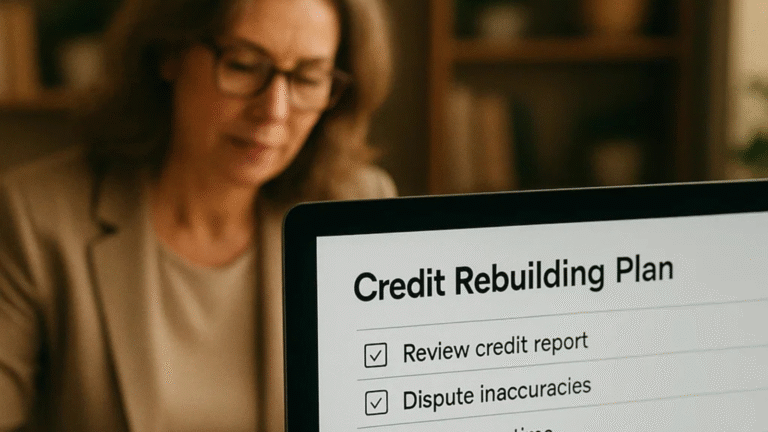
Before disputing anything, review what your credit report actually shows.
AnnualCreditReport.com provides free credit reports from all three bureaus.
This is the official source lenders pull from.
What it does not include are credit scores.
Scores matter because lenders’ scoring models actively interpret the information in your report.
If you want to see true FICO scores while you rebuild, a monitoring tool like MyScoreIQ is helpful.
It doesn’t fix credit, it lets you track how rebuilding behavior is affecting your scores over time.
Reports confirm accuracy.
Scores reflect risk.
You need both.
Reviewing Your Report the Right Way
Not every negative item is an error.
When reviewing your report, the focus should be on accuracy not discomfort.
Look for:
- Late payments reporting on the wrong dates
- Balances that are incorrect
- Some accounts still show open, even though you already closed them
- Accounts that do not belong to you
- Items reporting beyond the allowed reporting period
If the information is accurate, the credit bureaus keep it even if it’s negative.
Lenders expect to see past mistakes.
They look for what happened after them.
Where Letters and Disputes Fit
Letters and disputes are part of credit maintenance.
They correct reporting errors.
They create paper trails.
And they help keep the file accurate.
They do not rebuild trust.
Why I Talk Rebuilding NOT Credit Repair
When I started this business, I believed I had to position myself in credit repair to reach people.
Not because I thought letters improved scores, I knew they didn’t.
I knew the messaging was clickbait.
That approach seemed like the right way to attract clients.
I kept seeing bad template letters everywhere.
Aggressive language.
Demands for removal followed.
People began claiming that the letters could erase debt.
They aren’t.
Roughly 13% of disputes result in a correction or score movement.
Removals aren’t typical. They’re rare exceptions.
Dispute letters correct inaccurate reporting. Their purpose is to correct errors, not demand deletions.
You’re lucky if a correction leads to a removal.
As a result, working from the lending side made this impossible to ignore.
Letters don’t work the way people believe. That was never their intended role.
What Actually Rebuilds Credit
Rebuilding happens when risk changes.
Balances come down in a way that lowers utilization.
Payments stay consistent after disruption.
Negative history ages while positive behavior replaces it.
Add new credit only when it strengthens your overall structure.
That’s what lenders respond to.
Volume doesn’t matter.
Activity doesn’t influence them.
Dispute counts don’t sway decisions.
Why People Stay Stuck
Many people stay busy instead of improving.
People stay busy filing disputes and sending letters.
But with no other action, their credit still doesn’t improve.
From the lending side, lenders read the file the same way so they make the same decision.
The Bottom Line
Disputes protect accuracy.
Rebuilding reduces risk.
If your credit isn’t moving, the issue usually isn’t effort.
The real problem is expecting disputes to do work they were never designed to do.
Want to See What Lenders Actually See?
A Lender Credit Audit shows how your credit report reads from the lending side — and why it’s producing the outcomes you’re getting.
No tricks.
No credit myths.
Just lender logic and a rebuild path that actually works.