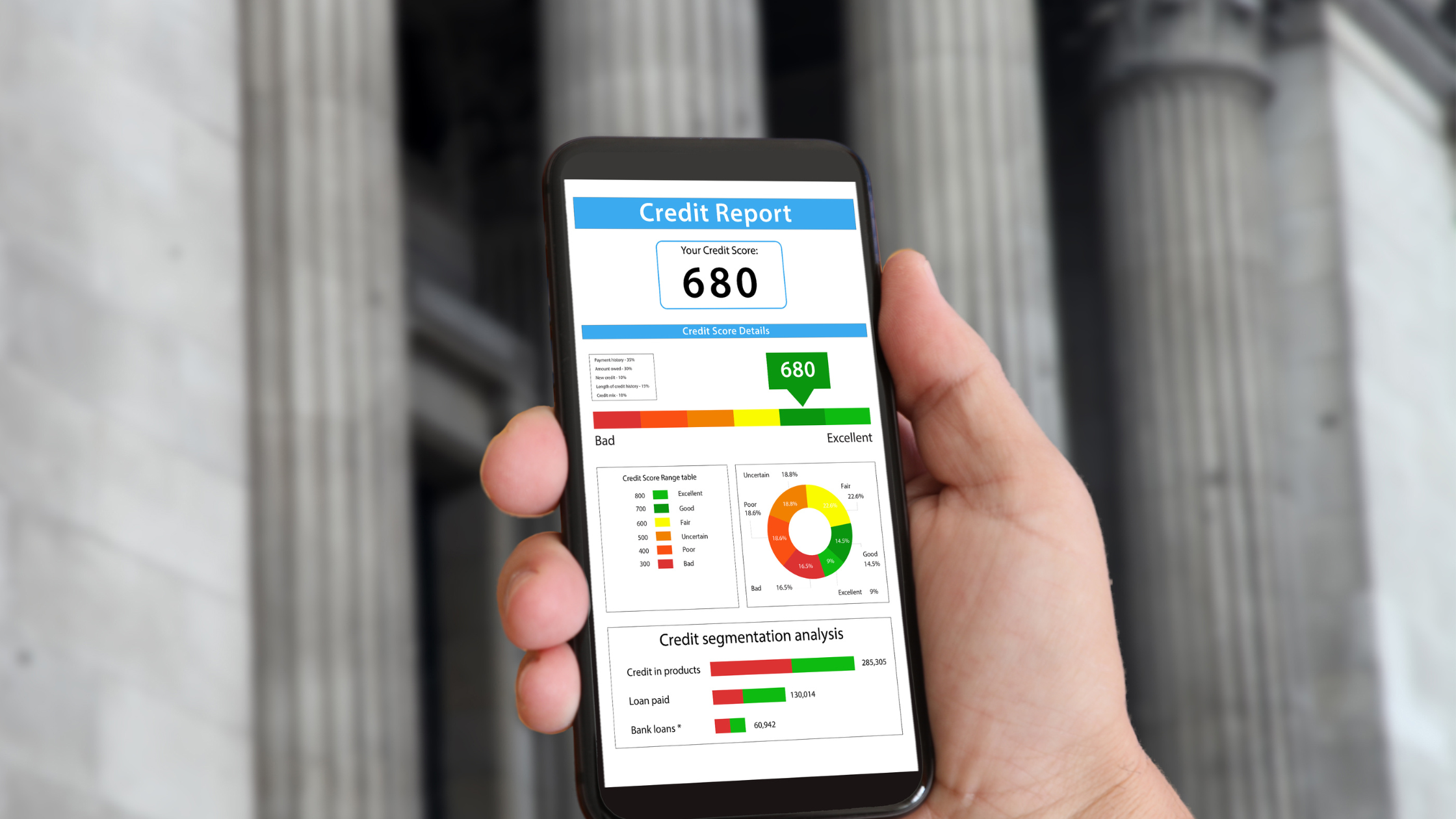
Why Credit Apps Boost Your Score But Lenders Still Say No
Why Credit Apps Boost Your Score But Lenders Still Say No
You check your credit app.
Your score jumped.
You feel relieved.
Then you apply for credit
and still get denied.
That disconnect is common.
It happens because credit apps and lenders
are not measuring the same thing.
Why Your App Score Moves Faster Than Your Approval Odds
Most credit apps show VantageScore
not FICO.
That matters.
VantageScore reacts quickly to newly added data
and recent activity.
It’s built to move fast.
That’s why adding utilities, streaming services,
or a tradeline can create a noticeable bump inside an app.
It looks like progress.
But lenders usually aren’t using that score
to make the decision.
What Lenders Actually Use
Most lenders use FICO.
FICO behaves differently.
It’s built to measure repayment risk over time
not reward short-term activity.
It’s more sensitive to what actually predicts default:
Late or missed payments.
Credit card utilization.
Long-term patterns of behavior.
That’s why a score boost inside an app
doesn’t always translate to approval
at time of application.
Why Apps Push Boosts, Utilities, and Quick Wins
Now the marketing makes sense.
If a score model reacts quickly
to newly added positive data
boosts and add-ons will often move the number.
Especially on thin files.
But that movement is surface-level.
It doesn’t override high balances.
It doesn’t erase recent late payments.
It doesn’t neutralize charge-offs or collections.
And it doesn’t change how an underwriter evaluates risk.
That’s the part most apps don’t explain.
The Real Problem Isn’t the App It’s the Strategy
Boosts aren’t evil.
They’re incomplete.
They show movement
not positioning.
And approval decisions are about positioning.
How balances report.
When payments hit.
How long stability has been demonstrated.
Whether risk has meaningfully declined.
If those fundamentals aren’t in place,
a higher app score won’t save the application.
What Actually Moves the Needle With Lenders
This is what consistently improves lender outcomes.
Balances paid down before statement dates
so utilization reports lower.
Utilization controlled month after month
not just once.
Positive history allowed to age
while new positives stack.
Reactive credit moves avoided.
Applications timed strategically
based on your current file.
That’s the difference between
“my score moved”
and “I got approved.”
The Bottom Line
Credit apps can show a score jump
without changing the risk in your file.
Approvals improve when the fundamentals improve.
Utilization.
Payment patterns.
Stability over time.
Stop chasing app points.
Start building behavior that reduces risk.
That’s what lenders are actually looking for.
Ready to Stop Guessing Before Your Next Application?
Not sure what your file is actually telling lenders?
That’s exactly what a Credit Audit is for.
A former underwriter reviews your report
the way a lender actually would
and tells you what to address first.
No templates. No guesswork.
Just a clear picture of where you actually stand.
👉 Learn more about the Credit Audit
Follow RealTalk Credit for lender-perspective education
so you can have top-notch credit too.